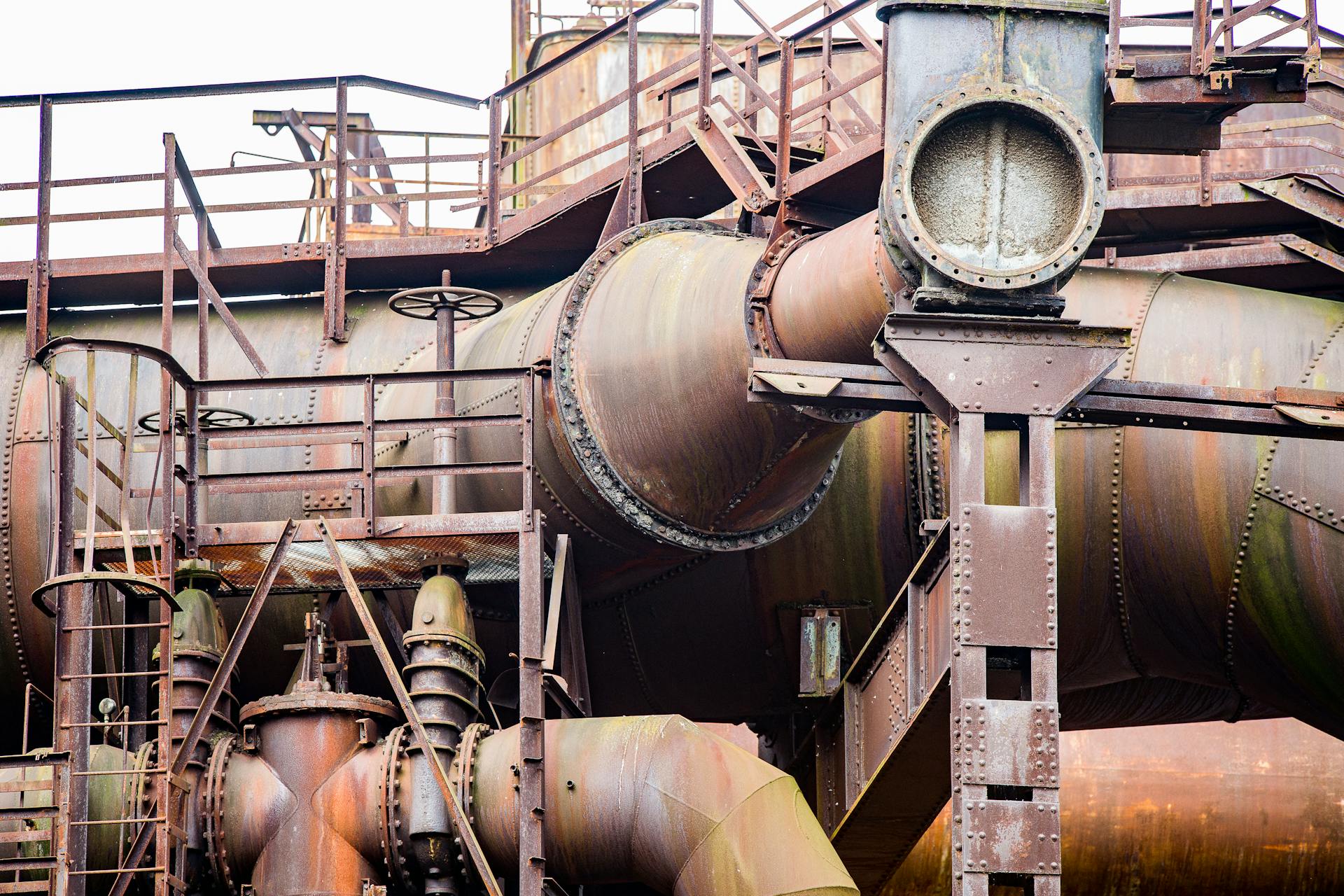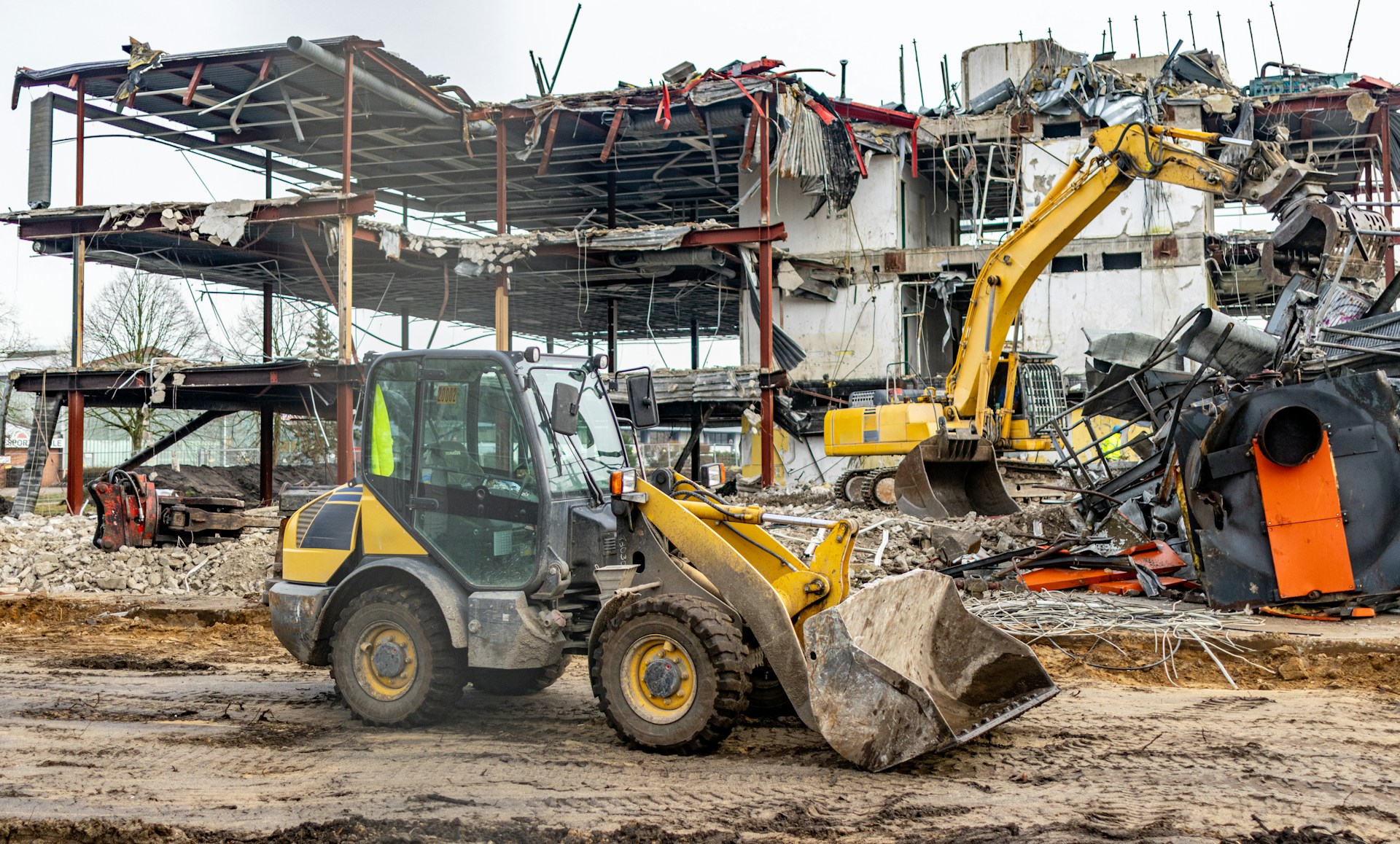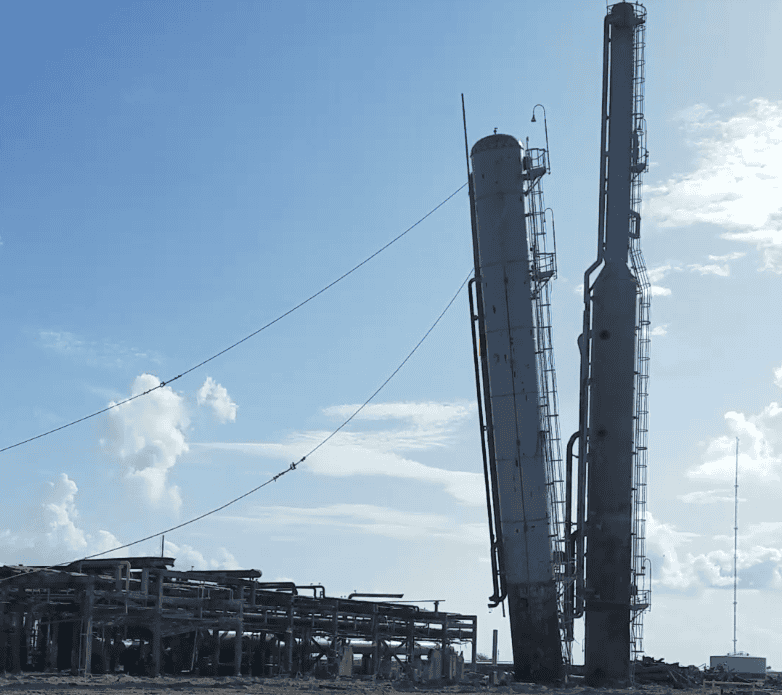
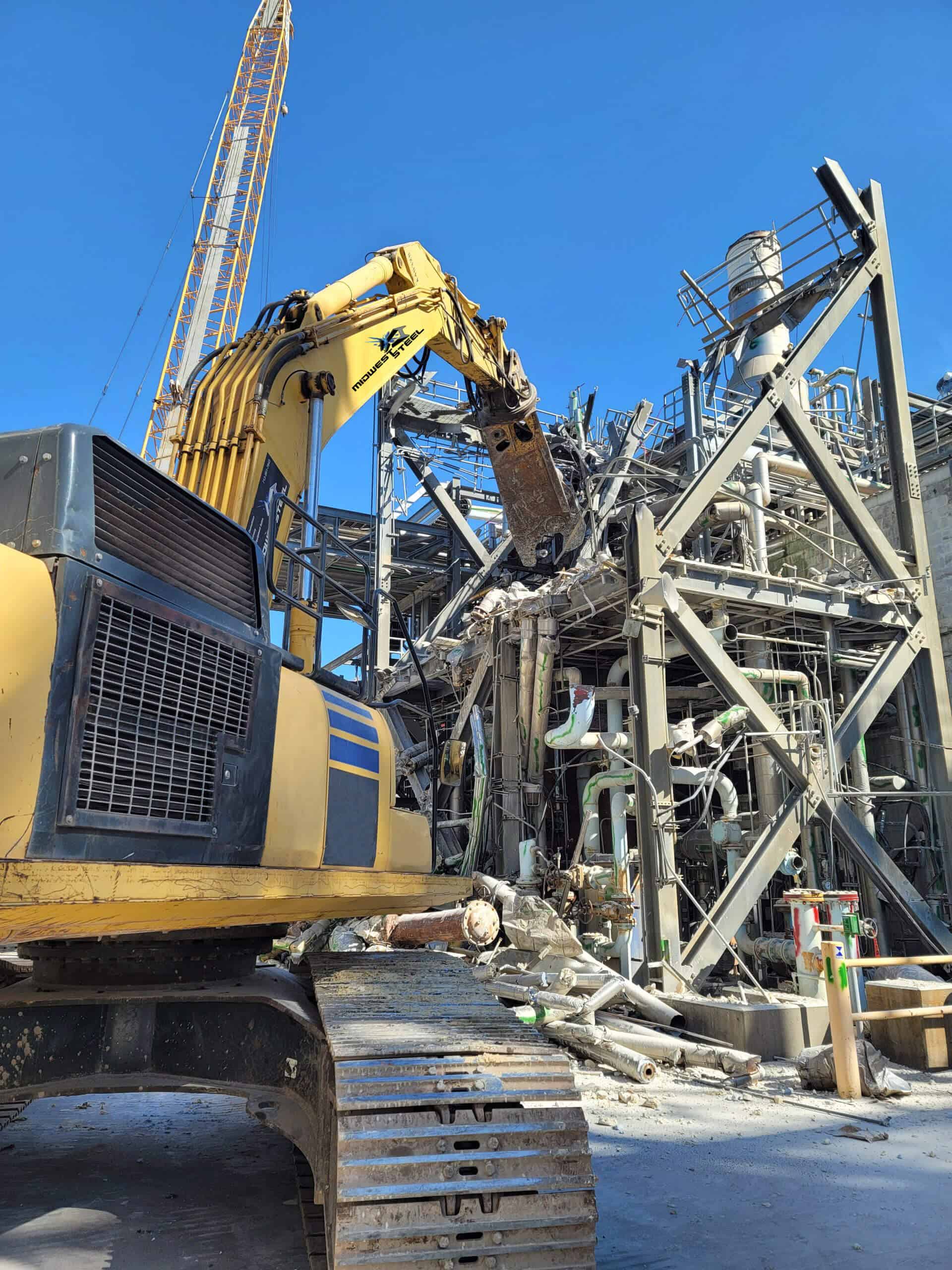
What if tearing something down could actually help build a greener future? At first glance, industrial demolition might seem like the opposite of sustainability. Heavy machinery, large-scale deconstruction, and waste materials all appear to carry significant environmental costs. But when done responsibly, industrial demolition can actually play a key role in supporting environmental sustainability.
In this article, we’ll explore how industrial demolition can be a sustainable practice, focusing on methods like asset recovery, recycling, and environmentally responsible dismantling. You’ll see how companies like Midwest Steel approach these projects with the dual goals of safety and sustainability, and why choosing the right demolition partner matters for both the environment and your bottom line.
The Connection Between Industrial Demolition and Sustainability
Sustainability is no longer an afterthought in the demolition industry. According to the U.S. Environmental Protection Agency (EPA), construction and demolition activities generate an estimated 600 million tons of debris annually in the United States. The majority of that waste comes from demolitions. Left unchecked, these materials can quickly overwhelm landfills and contribute to environmental degradation.
This is why a growing number of demolition companies are shifting toward sustainable practices. By planning carefully, dismantling structures with precision, and focusing on recycling, demolition can reduce waste, cut emissions, and create opportunities for materials to be reused in new projects.
At its core, sustainable demolition isn’t about destruction. It’s about transformation.
Asset Recovery: Extending the Life of Valuable Materials
One of the most effective ways to make industrial demolition more sustainable is through asset recovery. Instead of treating every component of a building or plant as waste, asset recovery identifies valuable equipment and materials that can be salvaged.
For example, structural steel, piping, and machinery often have significant resale or reuse potential. Recovering these assets not only reduces waste but also helps offset demolition costs. In some cases, recovered materials can even be integrated into new facilities, extending their useful life and preventing unnecessary manufacturing of replacements.
At Midwest Steel, asset recovery is a central part of dismantling projects. The company focuses on maximizing value while minimizing waste, ensuring clients benefit financially while contributing to sustainability goals.
Recycling: Turning Waste Into Resources
Recycling is another cornerstone of sustainable industrial demolition. Metals, concrete, and other materials can often be processed and reused instead of sent to landfills. Steel, in particular, is one of the most recycled materials in the world. According to the World Steel Association, over 90% of steel from construction and demolition projects can be recycled without losing its strength or quality.
This level of recycling makes steel recovery a crucial part of green demolition practices. By separating and processing materials carefully, demolition crews can ensure they are directed to recycling facilities rather than waste disposal sites.
The environmental benefits of recycling are significant. Recycling metals reduces energy use by as much as 75% compared to producing new materials. It also decreases greenhouse gas emissions, helping projects align with corporate sustainability initiatives.
Dismantling vs. Traditional Demolition
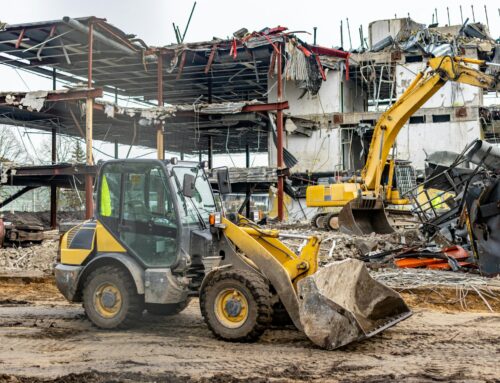
Not all demolition looks the same. Traditional methods often involve large-scale mechanical takedowns, which can be fast but also create significant debris. By contrast, dismantling takes a more precise and controlled approach.
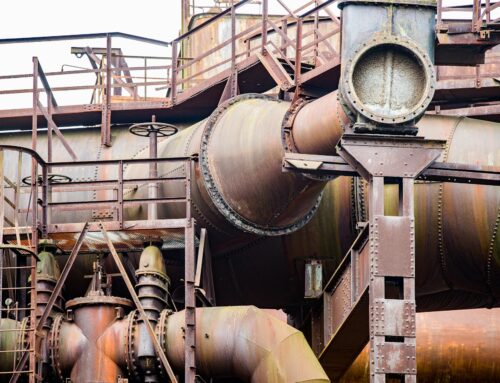
Dismantling involves carefully taking apart structures piece by piece, preserving materials that can be reused or recycled. This method is particularly valuable for facilities with specialized equipment or high-value assets, such as chemical plants and refineries.
Because dismantling prioritizes recovery and reuse, it inherently supports sustainability. It reduces waste, limits environmental impact, and provides clients with greater opportunities to recoup costs. Midwest Steel specializes in this type of work, combining safety, efficiency, and environmental responsibility.
Reducing Environmental Impact on Site
Sustainable demolition also considers the environmental impact of the demolition site itself. Dust, noise, and emissions can all affect surrounding communities and ecosystems. Responsible demolition companies take steps to mitigate these factors.
This often includes:
- Using modern equipment with lower emissions.
- Implementing dust suppression systems.
- Scheduling work to minimize disruption.
By taking these precautions, industrial demolition becomes safer for workers, communities, and the environment. It ensures that sustainability is not just about what happens to the materials, but also about how the work is carried out.
The Economic Benefits of Sustainable Demolition
Sustainability isn’t just good for the planet; it’s good for business. Recovering and recycling materials lowers disposal costs, while asset recovery can generate additional revenue. Sustainable business practices can improve efficiency and reduce costs in the long term.
For companies facing the decommissioning of plants, process units, or other industrial facilities, these financial benefits can be substantial. Choosing a demolition partner that prioritizes sustainability means clients don’t have to choose between cost savings and environmental responsibility. They get both.
Why Choosing the Right Partner Matters
Not all demolition companies take sustainability seriously. That’s why it’s important to work with a partner who has proven experience in environmentally responsible practices. The right partner will prioritize recycling and asset recovery, follow safety and environmental regulations, and maintain transparency throughout the process.
Midwest Steel has built a reputation for combining safety, efficiency, and sustainability in industrial demolition projects. By focusing on dismantling, asset recovery, and recycling, the company helps clients achieve their goals while protecting the environment.
A Sustainable Future Through Industrial Demolition
Industrial demolition may seem like an ending, but in many ways, it’s a beginning. Materials are given a new life, waste is reduced, and spaces are cleared for modern, more efficient facilities. When sustainability is at the heart of the process, demolition becomes part of the solution to today’s environmental challenges.
By choosing dismantling over destruction, prioritizing asset recovery, and committing to recycling, companies can ensure their projects align with both financial and environmental goals. This approach reflects a growing recognition across industries: sustainability and progress go hand in hand.
Building Green Through Responsible Demolition
Sustainability isn’t just about building greener, it’s also about taking things down the right way. Industrial demolition can be a sustainable practice when it emphasizes recycling, asset recovery, and environmentally conscious dismantling. These practices conserve resources, reduce waste, and create economic value, making demolition an opportunity for positive change rather than environmental harm.
If you’re considering an industrial demolition project, now is the time to choose a partner who shares your commitment to sustainability. Contact us today to learn how responsible demolition can benefit your business and the environment.
Ready to experience the Midwest Steel difference
Contact us today to learn more about our demolition services or to discuss your next project.