
Industrial equipment procurement decisions often involve millions of dollars and can make or break project timelines. This comprehensive checklist helps professionals in oil & gas, chemical manufacturing, and industrial sectors navigate complex procurement while maximizing ROI.
Step 1: Define Equipment Requirements and Specifications
Document exact technical specifications, capacity requirements, and performance parameters. Consider future growth (plan for 20-30% expansion) and establish compatibility with existing systems.
Pro Tip: Buying used process equipment offers immediate availability compared to 6-12 month lead times for new fabrication.
Step 2: Evaluate New vs. Used Equipment Options
Compare total cost of ownership, immediate availability needs, and warranty differences. Used industrial equipment typically costs 40-70% less than new while providing identical functionality.
Cost Reality: As highlighted in why companies opt for used industrial equipment, these savings are immediately available without sacrificing safety or compliance.
Step 3: Assess Vendor Credibility and Track Record
Review vendor industry experience, safety records, regulatory compliance, and client references. Verify insurance coverage and financial stability.
Industry Benchmark: Look for vendors with 25+ years experience and recognition like Top Specialty Contractors by Engineering News-Record.
Step 4: Understand Dismantling vs. Demolition for Asset Recovery
Choose Dismantling When: Equipment has resale value or components can be redeployed Choose Demolition When: Equipment is obsolete or time is critical
Value Recovery: Plant dismantling vs. demolition explains how strategic dismantling recovers substantial value versus scrap metal pricing only.
Step 5: Navigate Regulatory Compliance and Safety Requirements
Verify equipment meets current industry standards, ensure proper documentation, understand environmental regulations, and confirm OSHA compliance.
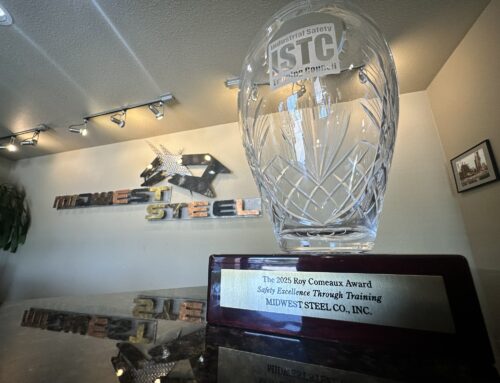
Safety Standard: Partner with vendors achieving recognition like the Michael J. Casbon Safety Award for industry-leading safety performance.
Step 6: Implement Quality Assurance Protocols
Conduct detailed pre-purchase inspections, review maintenance history, verify operational testing, and assess remaining useful life.
Due Diligence: Reference professional equipment inspection protocols for comprehensive evaluation criteria when purchasing used equipment.
Step 7: Plan Logistics and Installation Requirements
Coordinate transportation, rigging, site preparation, and utility connections. Schedule installation around operational needs and develop contingency plans.
Efficiency Advantage: Nationwide demolition and dismantling services can coordinate pickups and deliveries from any location.
Step 8: Negotiate Purchase Terms and Warranty Coverage
Focus on price, payment terms, delivery schedule, warranty coverage, installation support, and performance guarantees.
Market Reality: Demolition contractors with surplus yards often provide better pricing than brokers by eliminating middleman markups.
Step 9: Develop Long-term Support Plans
Identify authorized service providers, establish preventive maintenance schedules, plan operator training, and create spare parts inventory strategy.
Relationship Value: Vendors offering comprehensive industrial services provide significant long-term value from equipment sales to ongoing support.
Step 10: Execute Performance Monitoring
Monitor operational efficiency, track maintenance costs, measure actual vs. projected ROI, and document lessons learned for future procurements.
Continuous Improvement: Learn from industry best practices and case studies to optimize future results.
Key Takeaways
Myth: “Used equipment means compromised safety” Reality: Professional used equipment meets all safety regulations while delivering substantial savings.
ROI Achievement: Strategic procurement typically delivers 20-50% cost savings while professional asset recovery can return millions in value.
Next Steps: Start by defining requirements (Step 1) and evaluating used equipment options for immediate cost savings. Choose partners with decades of experience and proven track records serving Fortune 500 companies.
Ready to experience the Midwest Steel difference
Contact us today to learn more about our demolition services or to discuss your next project.